Category 3 from the first minute

Sewage Backup Cleanup in La Jolla, CA

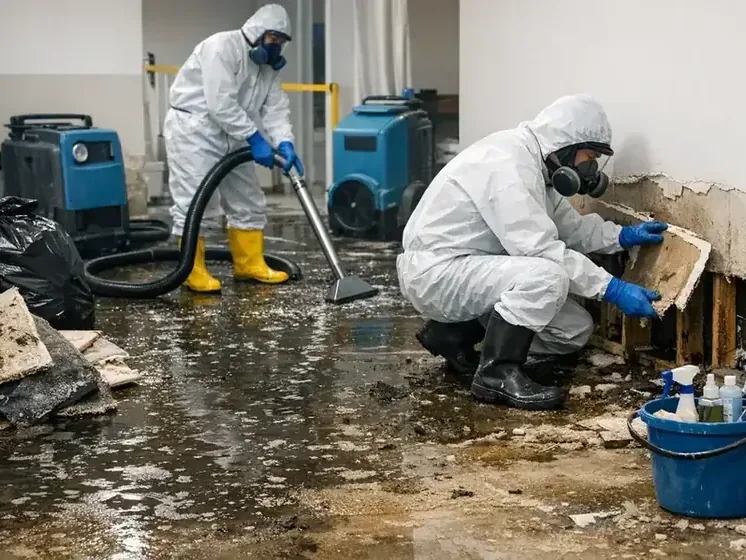
Sewage is Category 3 the moment it reaches the floor. The cleanup team contains the area, removes porous materials it touched, treats hard surfaces and dries the structure to the S500 standard.

(888) 450-9281Sewage on the floor? Call for cleanup now
Containment and HEPA air scrubbers EPA-registered antimicrobial Protective gear for Category 3
Workers in protective suits and respirators cleaning up a sewage backup
Right now

First steps for sewage backup cleanup

  1. Stop using water

    No flushing, showers or laundry until the drain is cleared.

  2. Keep everyone out

    Young children, pets and anyone with a weak immune system stay away from the area.

  3. Shut off the HVAC

    Turn off heating or air conditioning that could move air from the wet area.

  4. Photograph, do not clean

    Record the backup and leave the cleanup to crews with the right protective gear.

The loss at a glance
Water categoryCategory 3, always
Porous materialsRemoved, not dried
Air controlContainment and HEPA scrubbers
Drying standardIICRC S500
Typical cost ranges

What does sewage backup cleanup cost in La Jolla, CA?

In La Jolla, CA, sewage backup cleanup typically runs $2,500 to $15,000, depending on how far the sewage spread, what had to be removed and whether it reached a crawl space or a floor below.

Bathroom or small area

$2,500 to $5,000
  • Containment and protective gear
  • Flooring and lower drywall removed
  • Antimicrobial and drying

Several rooms

$5,000 to $10,000
  • Carpet, pad and baseboards out
  • HEPA air scrubbers
  • Moisture map and daily logs

Large or multi-level backup

$10,000 to $15,000+
  • Crawl space or lower floor
  • Extensive removal
  • Full documentation for the claim

Ranges are typical, not a quote. Water category, square footage, material class and how fast drying started move the number most. The water damage cost calculator gives a closer planning range.

How the work runs

How sewage backup cleanup is handled

The tech who does the walkthrough maps moisture before any equipment goes down, and the equipment stays until the readings say dry.

Dispatch at any hour

Active water keeps moving through pad, plaster and framing after dark, so the response team treats it as urgent around the clock.

Dried to IICRC S500

Drying is planned from the class of loss and finished on meter readings, not on how the surface looks.

A file the adjuster can follow

Moisture maps, daily logs and photos taken before any demolition go to the insurer with the scope.

Coastal housing know-how

Raised-floor cottages, slab ranch homes, hillside lots and condo stacks each hide water in different places.

  1. Contain the area

    Plastic barriers and HEPA air scrubbers keep contaminated air out of the rest of the house.

  2. Extract and remove

    The cleanup team pulls standing sewage and removes porous materials it touched.

  3. Clean and treat

    Hard surfaces are cleaned and treated with an EPA-registered antimicrobial at its dwell time.

  4. Dry and verify

    Air movers and dehumidifiers dry the remaining structure until readings meet the goal.

A sewage backup pushes water from the drain system back into the house, usually through a toilet, a tub or a floor drain at the lowest fixture. Older neighborhoods here still carry clay and cast iron sewer laterals, and the roots of mature trees find the joints. Once a lateral is blocked, every flush and shower in the house adds to the backup.

Why sewage is never just dried

Sewage carries bacteria and viruses, so the IICRC S500 standard treats it as Category 3 from the start. Carpet, pad, lower drywall, insulation and anything else porous that it touched are removed and bagged, not dried and kept. Hard surfaces such as tile, concrete and framing are cleaned and treated with an EPA-registered antimicrobial, left on for the dwell time on its label.

How the cleanup is done

  • The area is sealed with plastic containment and kept under negative air with HEPA air scrubbers
  • Workers wear gloves, boots, eye protection and respirators at minimum
  • Standing sewage is extracted, and porous materials above the high-water mark are cut out
  • Surfaces are cleaned and treated, then dried and verified with meters

The EPA overview of sewer overflows explains why raw sewage is a health hazard and not a cleaning job for a mop and bucket.

Stop using water until the drain is cleared

While a lateral is blocked, every fixture in the house drains toward the backup. Stop running water, hold off on flushing and keep people and pets out of the area. A plumber clears or repairs the lateral, and the cleanup team handles the house. In the City of San Diego, the lateral from the house to the public main is the owner's to maintain, while a problem in the public main goes to City of San Diego Public Utilities.

If sewage reached a crawl space under a raised floor, the soil and framing there need the same Category 3 treatment as the rooms above.

Related

Related water damage services

Service area

Sewage backup cleanup across La Jolla and nearby

Coverage runs through ZIP 92037 and the post office box and campus ZIPs around it, from the Village and the Shores to Bird Rock, Windansea, Muirlands and the slopes of Mount Soledad.

Nearby coverage reaches Del Mar, Torrey Pines, University City, Pacific Beach, Clairemont, Bay Park.

Coverage map

Every neighborhood and ZIP covered

Questions

Sewage Backup Cleanup: common questions

Can I clean up a small sewage backup myself?

Small, contained backups on hard floors are sometimes cleaned by owners, but sewage carries pathogens, and anything porous it touched still has to go. Protective gear and proper disinfection matter more than the size of the puddle.

Why does carpet have to be thrown out?

Carpet and pad soak up sewage and cannot be reliably disinfected, so IICRC S500 calls for removing porous materials that Category 3 water touched.

Who fixes the sewer lateral?

A plumber clears or repairs the lateral. In the City of San Diego, the lateral from the house to the public main is the owner's to maintain.

Is sewage backup covered by insurance?

Many homeowners policies need a separate water backup endorsement for sewer and drain backups. Coverage depends on your policy, so check with your own insurer.

How long does sewage cleanup take?

Removal and treatment often take a day or two, and drying takes another three to five days depending on what was wet. The readings decide when the equipment leaves.

Is the house safe to stay in?

Usually, if the affected area is contained and closed off. People with weak immune systems, young children and pets are best kept away until cleanup and drying are finished.

Water emergency dispatch, 24/7

Sewage backup at home? Get it cleaned up safely.

Containment, removal, antimicrobial treatment and drying, 24/7.

(888) 450-9281Get the Category 3 cleanup started
Call (888) 450-9281 24/7