Standing water out first

Emergency Water Extraction in La Jolla, CA

Standing water comes out before any drying starts. The extraction crew runs truck-mounted or portable units, then maps what the water soaked so nothing wet gets left behind.

(888) 450-9281Get the standing water pulled now
Truck-mounted and portable units Weighted extraction for carpet Moisture mapped after the pump-out
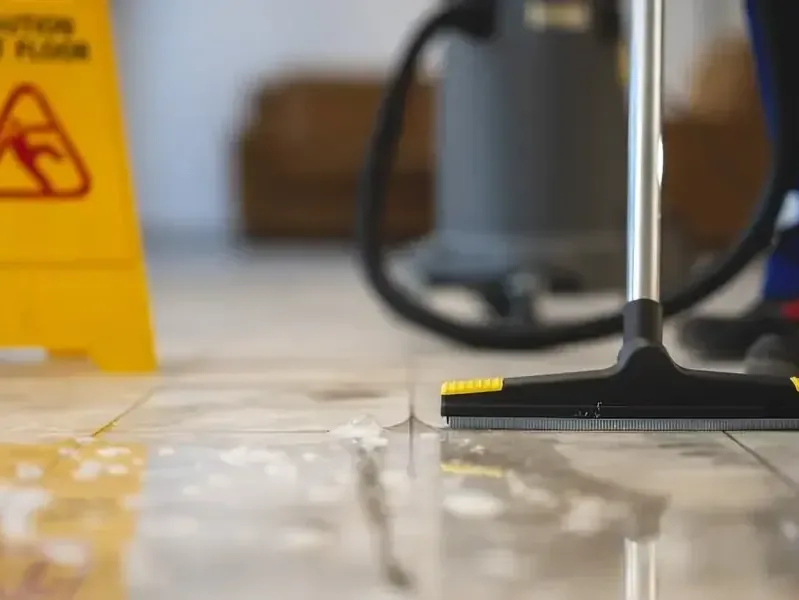
A technician pulling standing water off a floor with an extraction wand
Right now

First steps for emergency water extraction

  1. Shut off the source

    Close the main valve or the fixture valve so the water stops spreading.

  2. Cut power to wet rooms

    Use the breakers only if the panel is dry, and stay out of water near outlets.

  3. Move what you can

    Lift rugs, electronics, papers and art off the floor and away from the water.

  4. Photograph the water

    Capture the depth, the source and every wet room before anything is moved.

The loss at a glance
Water categorySet at the first walkthrough
EquipmentTruck mounts, portables, weighted wands
What followsMoisture mapping and drying
Drying standardIICRC S500
Typical cost ranges

What does emergency water extraction cost in La Jolla, CA?

In La Jolla, CA, emergency water extraction typically runs $400 to $2,500, depending on how much floor is wet, the floor type and whether a truck-mounted unit can reach. Drying and removal are separate items on the scope.

One room or a bathroom

$400 to $900
  • Portable or truck-mounted unit
  • Carpet and pad extraction
  • Moisture check of nearby rooms

Several rooms

$900 to $1,800
  • Weighted carpet extraction
  • Hard floor and slab pickup
  • Moisture map for the drying plan

Whole floor or deep water

$1,800 to $2,500+
  • Submersible pumps
  • More than one extraction unit
  • Contents moved out of the water

Ranges are typical, not a quote. Water category, square footage, material class and how fast drying started move the number most. The water damage cost calculator gives a closer planning range.

How the work runs

How emergency water extraction is handled

The tech who does the walkthrough maps moisture before any equipment goes down, and the equipment stays until the readings say dry.

Dispatch at any hour

Active water keeps moving through pad, plaster and framing after dark, so the response team treats it as urgent around the clock.

Dried to IICRC S500

Drying is planned from the class of loss and finished on meter readings, not on how the surface looks.

A file the adjuster can follow

Moisture maps, daily logs and photos taken before any demolition go to the insurer with the scope.

Coastal housing know-how

Raised-floor cottages, slab ranch homes, hillside lots and condo stacks each hide water in different places.

  1. Assess the water

    The tech who does the walkthrough sets the water category and checks for electrical hazards before work starts.

  2. Pump and extract

    The extraction crew pulls standing water with truck-mounted, portable or submersible equipment.

  3. Press out the pad

    Weighted tools squeeze trapped water out of carpet pad and the seams of hard floors.

  4. Map and hand off

    Thermal imaging and meters show what is still wet, and the drying plan starts from that map.

Extraction is the cheapest drying there is. A gallon pulled out with a pump never has to be evaporated by an air mover, so the extraction crew removes as much standing and trapped water as possible before the drying team sets a single fan.

Truck-mounted or portable: what decides it

A truck-mounted unit has the most suction and sends the water straight to a tank on the truck. It suits single-family homes with a driveway near the door. Condo buildings in the Village, hillside homes with long stairs and properties with tight street parking often call for portable extractors and submersible pumps carried in by hand.

  • Truck mounts for large carpeted areas and whole floors
  • Portable units for condos, upper floors and narrow access
  • Submersible pumps where water stands deeper than an inch or two
  • Weighted extraction tools that press water out of carpet pad

Carpet, hardwood and slab floors give up water differently

Carpet and pad hold a surprising amount of water. Weighted extraction tools press the pad against the slab or subfloor and pull water up through the carpet, which often saves the carpet when the water was clean and the response was early. Pad soaked with gray or black water usually comes out instead.

Hardwood gets surface extraction and then specialty drying mats, because water sits in the seams and under the boards. Tile and stone drain fast on top, but the grout and the slab below keep absorbing, so meters check what the eye cannot. The Ready.gov flood safety advice covers the electrical and health hazards of standing water before anyone wades in.

After the pump-out: mapping what is still wet

Once the standing water is gone, the tech who does the walkthrough maps moisture with thermal imaging and pinless meters. Water travels under baseboards, into wall bottoms and across the slab well past the puddle anyone could see. That map sets where the air movers and dehumidifiers go and which materials have to come out, and it becomes the first page of the claim file. Structural drying picks up from there.

Clean water from a supply pipe and water from a sewer or outside runoff are not handled the same way. The category is set before extraction begins, and the EPA indoor air quality pages explain why damp materials left in place affect the air inside a home.

Water that sits more than a day or two wicks up drywall and starts to support mold growth, which is why extraction is treated as urgent at any hour.

Related

Related water damage services

Service area

Emergency water extraction across La Jolla and nearby

Coverage runs through ZIP 92037 and the post office box and campus ZIPs around it, from the Village and the Shores to Bird Rock, Windansea, Muirlands and the slopes of Mount Soledad.

Nearby coverage reaches Del Mar, Torrey Pines, University City, Pacific Beach, Clairemont, Bay Park.

Coverage map

Every neighborhood and ZIP covered

Questions

Emergency Water Extraction: common questions

How fast should standing water be extracted?

As soon as possible. Water keeps wicking up drywall and soaking pad and subfloor every hour it stays, and materials left wet past 24 to 48 hours start supporting mold growth.

Can wet carpet be saved after extraction?

Often, when the water was clean and the response was early. Pad soaked with gray or black water usually gets replaced, and carpet touched by sewage is removed.

Is a shop vacuum enough?

A shop vacuum removes surface water but not what soaked into pad, subfloor and wall bottoms. Professional extraction and moisture mapping catch that hidden water.

Does extraction dry the house?

No. Extraction removes the liquid water. Structural drying with air movers and dehumidifiers removes the moisture left in materials, and that part takes days.

What if water reached a condo below?

The extraction crew works each wet unit, and the moisture map shows how far the water traveled through ceilings and walls between units.

Does insurance pay for water extraction?

Extraction is part of mitigation, which a policy that covers the loss usually includes. Coverage depends on your policy, so check with your own insurer.

Water emergency dispatch, 24/7

Standing water at home? Get it extracted now.

Truck-mounted and portable extraction, moisture mapping and drying, 24/7.

(888) 450-9281Get the pump-out crew moving
Call (888) 450-9281 24/7