Save the floor boards

Hardwood Floor Water Damage in Del Mar, CA

Hardwood reacts fast to standing water, and boards that sit wet begin to cup, crown or buckle. The drying team pulls the surface water, sets drying mats and dries the subfloor before the damage locks in.

(888) 450-9281Wood floor wet or cupping? Call
Floor drying mats Dehumidifier and air movers Daily wood readings
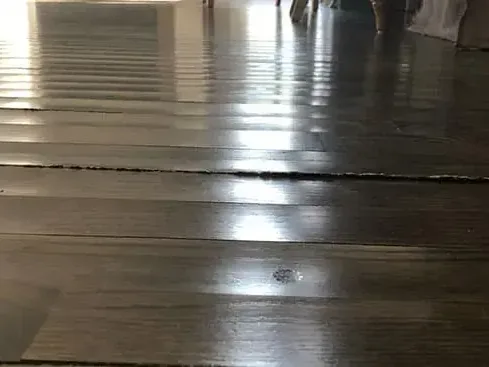
Strip flooring cupped and buckled after soaking up water
Right now

First steps for hardwood floor water damage

  1. Mop up the surface

    Soak up standing water with towels and a wet vacuum, along the grain.

  2. Lift what sits on it

    Take off rugs, boxes and furniture, since trapped water stains and keeps wood wet.

  3. Run air, not heat

    Use fans or air conditioning instead of heaters, so the boards do not dry too fast.

  4. Photograph the boards

    Record any cupping, gaps or staining before the drying starts.

The loss at a glance
Wood reactionCupping, crowning, buckling
MethodDrying mats and dehumidifiers
Also checkedSubfloor or slab moisture
FinishBoards read dry before refinishing
Typical cost ranges

What does hardwood floor water damage cost in Del Mar, CA?

Hardwood floor water damage here typically runs $1,500 to $12,000 or more. The range depends on how many rooms of flooring are wet, how deep the water got into the subfloor and whether some boards must be lifted to dry the floor.

One room, caught early

$1,500 to $3,500
  • Drying mats on wet boards
  • Dehumidifier and air movers
  • Daily wood readings

Several rooms

$3,500 to $7,500
  • Mats across joined rooms
  • Subfloor or slab drying
  • Daily photos of cupping

Large or long-running

$7,500 to $12,000+
  • Desiccant drying
  • Some boards lifted for access
  • Full documentation set

Ranges are typical, not a quote. Water category, square footage, material class and how fast drying started move the number most. The water damage cost calculator gives a closer planning range.

How the work runs

How hardwood floor water damage is handled

The tech who does the walkthrough maps moisture before any equipment goes down, and the equipment stays until the readings say dry.

Dispatch at any hour

Active water keeps moving through pad, plaster and framing after dark, so the response team treats it as urgent around the clock.

Dried to IICRC S500

Drying is planned from the class of loss and finished on meter readings, not on how the surface looks.

A file the adjuster can follow

Moisture maps, daily logs and photos taken before any demolition go to the insurer with the scope.

Coastal housing know-how

Raised-floor cottages, slab ranch homes, hillside lots and condo stacks each hide water in different places.

  1. Extract and meter

    Surface water is pulled and a pin meter reads the boards to find the wettest spots.

  2. Set the drying mats

    Mats draw moisture up through the boards while air movers and a dehumidifier dry the room.

  3. Dry the subfloor

    Readings under the floor decide whether a few boards are lifted so the subfloor can release water.

  4. Watch the wood

    Readings and photos of cupping are logged each visit, and sanding waits until the wood tests dry.

Hardwood is a natural material that swells as it takes on water, and a floor that stays wet long enough starts to cup, crown or buckle. Speed is the biggest factor in whether boards flatten out again or have to be replaced. Water enters through the seams between boards and from below through the subfloor, so a floor can be wetter than it looks.

Dry the floor and the subfloor

The general advice is to dry the floor and the subfloor fast, before boards cup or buckle. A surface can look nearly dry while water still sits between boards and on the subfloor, so a pin meter checks both.

A pin meter pushes two small prongs into a board and reads its moisture. Readings are taken at marked spots across the room so each visit compares like with like, and any board still above the dry reference means the floor is not finished.

Where flooring has been added over older layers, each layer is checked separately, because a wet layer underneath keeps feeding moisture back into the boards above.

What the drying involves

  • Surface water extracted along the boards
  • Drying mats placed over the wettest sections
  • Dehumidifiers and air movers kept running with the room managed for airflow
  • A few boards lifted when the subfloor will not release water any other way
  • Daily readings at the same marked spots until every board reads dry

Most homes here were built between 1950 and 1980, so wood floors with decades of finish are common, and finish can trap water in the seams for longer than a bare board would.

When boards cannot be saved

Boards that stay wet too long can stain, split or develop gaps, and wet wood can start growing mold within 24 to 48 hours. Contaminated water changes the plan too, since sewage or storm water means affected boards are removed. The decision to keep or replace boards is made from readings and photos, not from a guess on the first day. Water extraction comes first, and structural drying covers the walls.

Related

Related water damage services

Service area

Hardwood floor water damage across Del Mar and nearby

Floor drying covers ZIP 92014, from the lower blocks of North Beach and the Village to the homes around Seagrove and the Crest Canyon hillsides, in kitchens, living rooms and hallways.

The same service nearby: hardwood floor water damage in La Jolla.

Coverage map

All water services in this city Every town covered

Questions

Hardwood Floor Water Damage: common questions

Can a cupped hardwood floor be saved?

Often, if it is dried quickly. Boards that cup after water usually flatten as they dry, and refinishing comes later. Waiting lets the damage set in.

How quickly does water damage wood?

Hardwood reacts quickly to standing water, which is why the usual advice is to dry the floor and subfloor fast, before the boards cup or buckle.

Why dry the subfloor too?

Water that sinks between boards sits on the subfloor and keeps feeding moisture back into the wood. Drying only the surface lets the floor warp again.

Should the floor be sanded right away?

No. Sanding wet boards seals moisture in and can leave gaps later. The floor is sanded and refinished only after readings show the wood is dry.

Does the water source change the plan?

Yes. Clean supply water is simplest, while storm or sewage water means contaminated boards may be removed. Water extraction comes first either way.

What records support an insurance claim?

Dated photos of the boards, the readings and notes on cupping from each visit show how the floor responded to drying.

Water emergency dispatch, 24/7

Save the hardwood before it buckles

Surface extraction, drying mats and daily wood readings are available 24/7, with photos kept for the claim.

(888) 450-9281Begin the floor dry-out
Call (888) 450-9281 24/7