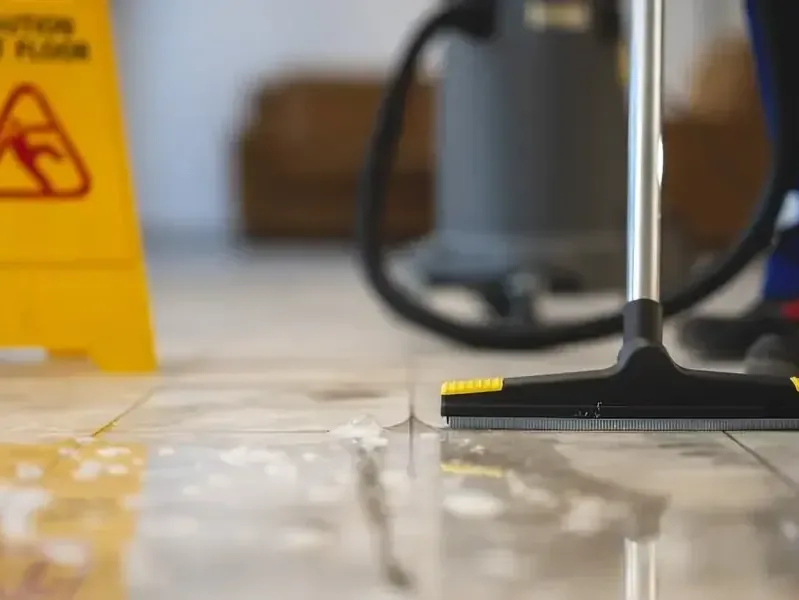
Extraction is the first job in any water loss and the one that sets how much material has to be torn out later. Old carpet, pad and low drywall soak up standing water quickly, and every extra minute of contact turns a wipe-up into a replacement. Pulling the volume out early keeps the rest of the job smaller.
Where the water comes from here
North Beach, the North Commercial area and the Fairgrounds sit in the floodplain beside the San Dieguito Lagoon, so storm water can reach interiors there. The crew also notes the stain height on the walls, which shows how far the water climbed and how high to check. In September 2026 the City Council declared a local emergency over sand building up in the lagoon inlet, and an open inlet helps carry storm flows away from low-lying streets.
Indoors the source is just as often a failed hose, a split supply pipe or an overflowing tub. Most homes in this beach city were built between 1950 and 1980, and older carpet over pad over slab is a common stack. Each layer holds water differently, so the crew checks every layer instead of judging the floor by its surface.
What the crew pulls and how
- Deep water cleared with submersible pumps or a truck-mounted unit
- Carpet lifted and extracted with weighted tools, and pad removed if it will not dry
- Tile, sealed wood and slab vacuumed dry, including thresholds and cabinet bases
- Wet zones marked with a moisture meter before any equipment goes down
- Contents carried to dry ground and listed for the claim
Small items go to dry ground first. Anything touched by storm runoff or sewage is handled as contaminated, so porous pieces are bagged for disposal rather than saved.
Why speed matters
Wet drywall, pad and wood can begin growing mold within 24 to 48 hours, which is the real deadline behind a fast pump-out. Extraction does not finish the job, because walls, framing and subfloors still hold water, but it removes the bulk so the drying that follows is shorter.
The structural drying stage comes next, and the drying time estimator gives a rough picture of how long equipment may run.