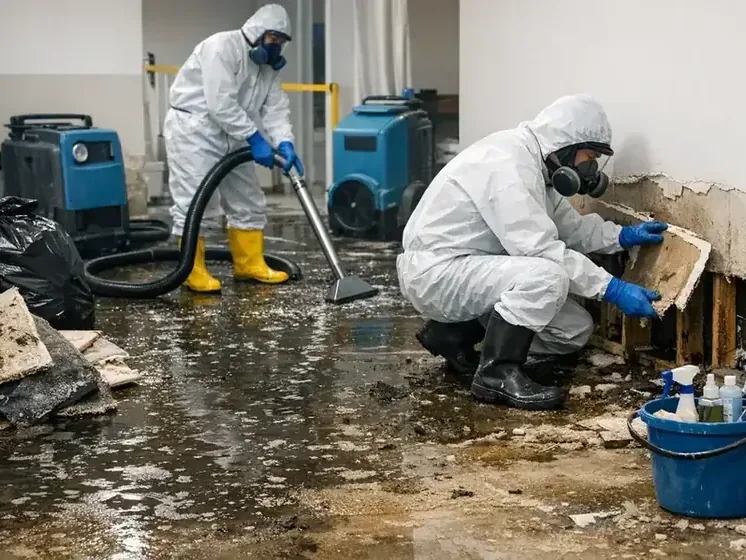
Sewage water carries bacteria and viruses, so it is treated as Category 3 from the moment it enters a home. Cleanup is a removal job first and a drying job second, and nothing porous that the water reached is kept.
Who to contact before cleanup starts
The city says sewer backups are usually caused by clogged plumbing inside residential pipes, and it tells residents to call a private plumber first. If the city's own sewer main is the suspected cause, residents call Public Works, and after hours the North County Dispatch JPA is the contact. The city asks people not to call 911 for a sewer backup.
A past news report described a sewer blockage that pushed about 4,200 gallons of sewage out of a manhole near 8th Street and onto the beach, closing the shoreline between 7th Street and 9th Street for 72 hours. It shows how far sewage can travel once it escapes, which is why an indoor backup is contained at once.
What gets removed and cleaned
- Carpet, pad and baseboards that the water touched
- Lower drywall and insulation cut out above the wet mark
- Hard surfaces and framing scrubbed and treated with an antimicrobial product
- Contents sorted into what can be cleaned and what is discarded
Work happens behind plastic sheeting, with air scrubbers pulling contaminated air through filters so it does not drift into clean rooms.
Drying and the claim
Once the removal is finished, air movers and dehumidifiers dry the framing and subfloor while meters track the readings. Photos and logs go into one record for the insurer, and the water damage cost calculator gives a rough range. Heavy rain can also overload drains, so storm flood cleanup may overlap.