A tank leak, dried properly

Water Heater Leak Cleanup in Del Mar, CA

A leaking water heater can send a whole tank across a garage slab or into a closet and hallway. The cleanup crew pumps out the water and dries the walls and floors around the tank.

(888) 450-9281Water pooling around the heater? Call
Tank water extracted Wall plates and drywall checked Air movers and dehumidifier
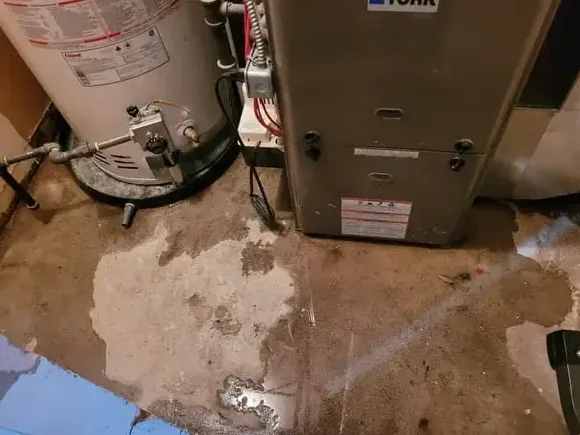
A tank water heater with a puddle spreading over the concrete floor around its base
Right now

First steps for water heater leak cleanup

  1. Shut the cold supply

    Turn the cold water valve above the tank to off so the tank stops refilling.

  2. Turn off power or gas

    Switch off the breaker for an electric heater, or set a gas heater to off, before going near the water.

  3. Tell the landlord or neighbor

    In a rented home or shared building, tell the owner and anyone below so every unit can check for water.

  4. Photograph the floor

    Take pictures of the water spread, the tank and any wet walls before anything is moved.

The loss at a glance
Water categoryCategory 1 at the tank
SpreadSlab, walls and nearby rooms
PartiesOwner, tenant and neighbors
RecordsPhotos and daily readings
Typical cost ranges

What does water heater leak cleanup cost in Del Mar, CA?

Water heater leak cleanup here typically runs $900 to $6,000 or more. Price follows whether the water stayed on a garage slab, reached interior rooms or came from an attic tank, and the heater's repair is separate.

Garage slab only

$900 to $2,000
  • Slab water extracted
  • Wall plates and drywall checked
  • Air movers and dehumidifier

Closet and hallway

$2,000 to $4,000
  • Pad and baseboards removed
  • Drywall dried or cut
  • Moisture map and logs

Attic tank or several rooms

$4,000 to $6,000+
  • Ceiling and insulation removed
  • Rooms below dried
  • Full documentation for the claim

Ranges are typical, not a quote. Water category, square footage, material class and how fast drying started move the number most. The water damage cost calculator gives a closer planning range.

How the work runs

How water heater leak cleanup is handled

The tech who does the walkthrough maps moisture before any equipment goes down, and the equipment stays until the readings say dry.

Dispatch at any hour

Active water keeps moving through pad, plaster and framing after dark, so the response team treats it as urgent around the clock.

Dried to IICRC S500

Drying is planned from the class of loss and finished on meter readings, not on how the surface looks.

A file the adjuster can follow

Moisture maps, daily logs and photos taken before any demolition go to the insurer with the scope.

Coastal housing know-how

Raised-floor cottages, slab ranch homes, hillside lots and condo stacks each hide water in different places.

  1. Pump out the pool

    Extraction clears the garage slab, tile or carpet around the tank before the water wicks into the walls.

  2. Check the wall plates

    Meters and thermal imaging look for water behind the drywall, in the bottom plate and under baseboards.

  3. Dry the area

    Air movers and a dehumidifier run, with wet pad and baseboards removed so air reaches the subfloor.

  4. Record every reading

    Daily readings and photos give a landlord, a tenant and an insurer one shared record of the loss.

A tank water heater holds enough water to flood a garage slab or a hallway when a seam or valve fails. The water is clean at first, which makes quick extraction the best chance of drying the area without removing much material.

Rented homes and shared walls

About 47 percent of occupied homes here are rented, and multi-family buildings make up 38.4 percent of the housing. A leaking heater can therefore involve a tenant, a landlord and the neighbors who share a wall or a floor. One clear record helps all of them, so photos and moisture readings are taken before anything is moved.

In a rented home the first step is communication. The tenant usually finds the leak, the landlord arranges the plumber, and the drying team needs access to the closet, the garage and the rooms around them. Neighbors below or beside a shared wall should be told early, since water can cross into another unit.

Where the tank sits changes the job

A heater in a garage usually wets a slab and the bottoms of the walls. One in a closet or hallway reaches carpet, pad and drywall, and an attic tank sends water through insulation and the ceiling below.

  • Garage: slab extracted, wall plates and drywall bottoms checked
  • Closet or hallway: pad and baseboards removed, drywall dried or cut
  • Attic: wet insulation and ceiling opened, rooms underneath dried

Clean tank water is the easiest water to dry, but standing water picks up dust and dirt from the floor, so the clock still runs.

After the water is out

The tank itself is a plumber's repair or replacement, kept separate from drying. Once the source is isolated, structural drying finishes the walls and floors, and the water damage cost calculator gives a rough range. Wet drywall can start growing mold within 24 to 48 hours.

Related

Related water damage services

Service area

Water heater leak cleanup across Del Mar and nearby

Water heater leaks are handled across ZIP 92014, from the multi-family buildings near North Beach and the Village to the houses of Seagrove and the Crest Canyon hillsides.

The same service nearby: water heater leak cleanup in La Jolla.

Coverage map

All water services in this city Every town covered

Questions

Water Heater Leak Cleanup: common questions

Why can a water heater leak spread so far?

A full tank holds a lot of water, and a failed seam or valve can release it across the slab and under walls. A slow drip can also soak drywall for a long time before anyone sees it.

Who is responsible in a rented home?

That depends on the lease and the cause. About 47 percent of occupied homes here are rented, so an owner, a tenant and neighbors may all be involved. Dated photos give everyone the same facts.

Can the heater be repaired during drying?

Repair or replacement is a plumber's job and is separate from drying. The tank should be isolated first so it cannot keep leaking.

What if the tank is in the attic?

Water from an attic tank soaks insulation and the ceilings below, so the ceiling is opened and the rooms underneath are dried. Ceiling leak water damage covers that stage.

Will carpet near the closet be saved?

Clean tank water can be extracted and dried if it is caught early, but pad that stayed wet usually comes out. A moisture check decides.

How is the cost estimated?

By how far the water traveled and what it soaked. The water damage cost calculator gives a rough range before a walkthrough.

Water emergency dispatch, 24/7

Dry out the heater leak before it spreads

Extraction, drywall checks and drying for the garage, closet or attic are available 24/7.

(888) 450-9281Start the heater cleanup
Call (888) 450-9281 24/7